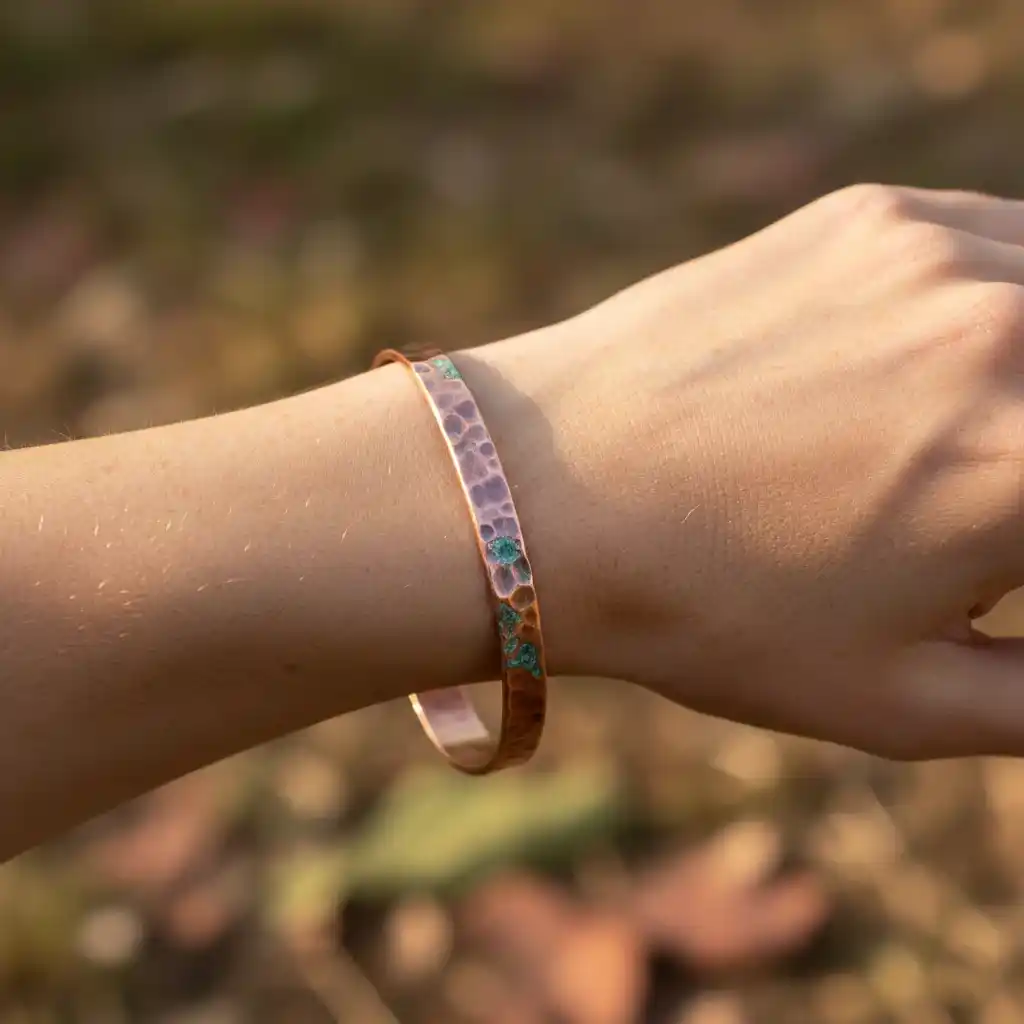
Copper never feels distant. When it rests against the skin, it carries a quiet warmth that doesn’t belong to temperature alone. It has weight without heaviness, like it wants to stay close, like it knows the body it’s touching.
Over time, it darkens, shifts, and leaves its mark—not as damage, but as proof of contact. Copper responds to you. It reacts. That reaction is the whole point.
This metal holds movement. You can feel it in the way copper jewelry settles on the wrist or collarbone, steady and alive. Many people notice a subtle grounding, a sense of being pulled back into the body instead of floating in the head.
Copper has long been associated with flow—of energy, of blood, of emotion—and wearing it feels less like decoration and more like connection. It doesn’t stay polished and silent. It changes with you.
Copper asks for presence. It reminds you that metal can be warm, that beauty can be raw, and that jewelry doesn’t have to shine to be powerful.
For those drawn to it, copper isn’t chosen for trend or status. It’s chosen because it feels real the moment it touches the skin.
Table of Contents
What Is Copper Jewelry?
Copper jewelry is made from one of the oldest metals known to humans. When you wear copper, you’re wearing a living metal: one that reacts to your skin, your warmth, and even your emotions.
It doesn’t stay frozen in one look. It shifts color over time, forming a deeper tone that reflects use and closeness. Energetically, copper is known as a conductor. You don’t wear it just to decorate the body.
You wear it because it interacts with you. Many people feel more grounded when copper touches their skin, as if the metal gently pulls scattered energy back into place.
It feels solid, present, and honest. Copper jewelry is chosen by people who want their jewelry to feel alive, not distant or decorative.
Pure Copper Vs Copper Alloys
Copper jewelry can be made from pure copper or mixed with other metals to create alloys. The difference matters both physically and energetically. Here’s how they compare in a simple, grounded way:
- Pure Copper: You get a softer metal that bends more easily and reacts strongly with your skin. It develops patina faster and often leaves green or dark marks. Many people choose pure copper for its strong energetic flow and direct skin contact.
- Copper Alloys: You get copper blended with metals like zinc or tin to make it stronger and more stable. These pieces hold their shape better and change color more slowly. Energetically, the copper presence is still there, but it feels slightly muted compared to pure copper.
If you value flexibility, warmth, and raw energy, pure copper tends to feel more responsive. If you want durability and structure, alloys offer balance without fully losing copper’s essence.
How Has Copper Been Used In Jewelry Historically?
Copper has been worn for thousands of years, long before gold and silver became symbols of wealth. Ancient cultures didn’t see copper as decoration alone. They saw it as protection, balance, and strength.
You see copper jewelry appear again and again across civilizations because it was accessible and powerful. People wore it close to the skin on purpose.
Bracelets, bands, and amulets were believed to support the body and steady the spirit. Copper was often linked to healing practices and daily wear rather than ceremony alone.
Historically, copper jewelry wasn’t polished to impress. It was worn to serve. That same grounded intention still follows copper today.
What Are The Common Forms Of Copper Jewelry Today?
Copper jewelry shows up in simple, wearable forms that keep the metal close to your body. Each form carries its own physical and energetic feel.
The most common styles you’ll see include:
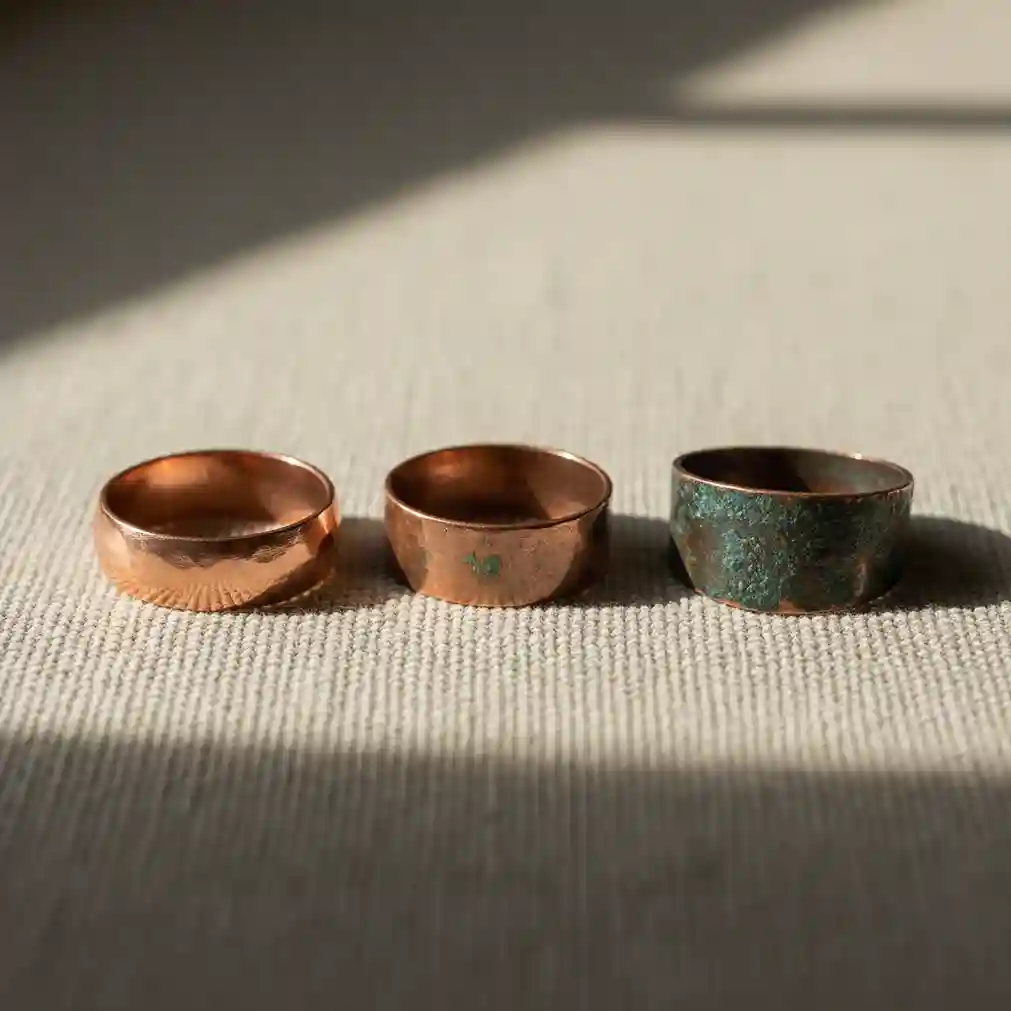
- Copper Rings: These sit on your fingers, where energy movement is constant. Many people like rings because they allow copper to stay in steady contact with the skin throughout the day.
- Copper Bracelets: These rest on the wrist and are often worn loosely so the metal can move with you. Bracelets are popular for those who want long periods of skin contact and a strong sense of grounding.
- Copper Necklaces: These sit near the chest and throat, areas tied to emotion and expression. Copper necklaces often feel calming and steady, especially when worn daily.
Copper jewelry today keeps its focus on closeness and contact. You don’t wear it to sparkle from a distance. You wear it to feel its presence every time it touches your skin.
What Are The Benefits Of Copper For Jewelry?
Copper offers more than appearance. When you wear it, you often notice how the metal feels present and active against your skin. It doesn’t stay neutral. It interacts with you throughout the day.
Here are the benefits many people experience when choosing copper jewelry:
- Energy Flow: Copper is known for its ability to conduct energy. When it rests on your skin, it can help energy move more freely instead of feeling stuck or heavy.
- Grounding Effect: Copper has a steady, earthy feel. Wearing it can help you feel more rooted in your body, especially during stressful or scattered moments.
- Warmth On Contact: Unlike colder metals, copper warms quickly. This creates a sense of closeness and comfort that feels natural rather than sharp.
- Adaptability: Copper changes with you. Its color deepens over time, reflecting daily wear and personal connection instead of staying frozen in one look.
- Accessibility: Copper jewelry is often easier to afford, allowing you to wear larger or more frequent pieces without hesitation.
For many people, copper feels supportive rather than decorative. It becomes part of your daily rhythm instead of an occasional accessory.
What Are The Drawbacks Of Copper Jewelry?
Copper is honest about what it is. That honesty can feel grounding to some and inconvenient to others. Knowing its drawbacks helps you decide if it fits your lifestyle and expectations.
Here are the main things to consider before choosing copper jewelry:
- Skin Marking: Copper can leave green or dark marks on your skin. This happens because the metal reacts with moisture and natural oils.
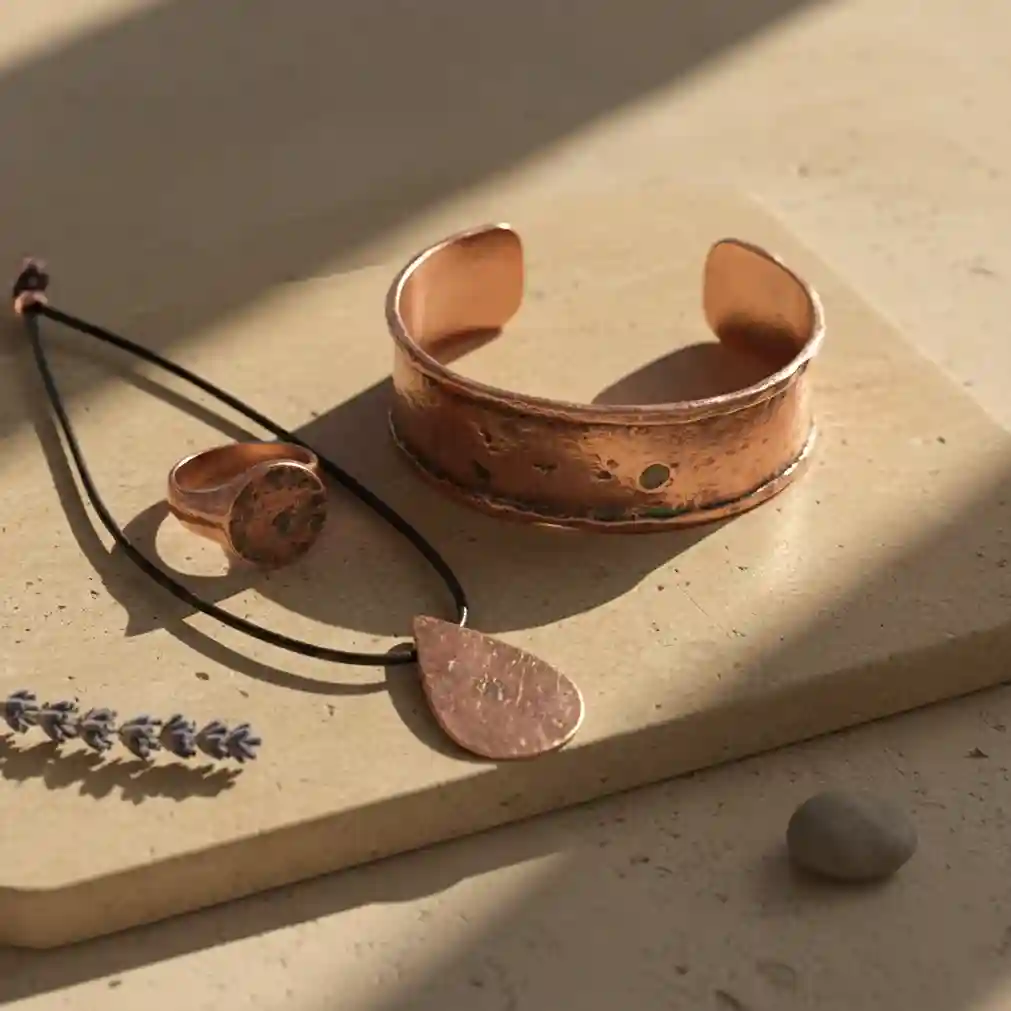
- Color Changes: Copper does not stay shiny. It darkens and forms patina over time, which some people love and others find frustrating.
- Softness: Pure copper bends more easily than harder metals. Rings and thin pieces may change shape if handled roughly.
- Maintenance Needs: Copper may need regular cleaning if you prefer a brighter look. Without care, it will continue to darken naturally.
- Sensitivity Reactions: Some people experience mild irritation or itching when wearing copper for long periods.
Copper asks for awareness. If you value shine, permanence, and low care, it may feel demanding. If you value presence, change, and connection, its flaws often feel like part of its character.
Does Copper Turn Skin Green?
Yes, copper can turn your skin green, and it doesn’t mean the jewelry is poor quality or unsafe. This color change is a natural reaction between the metal and your body.
Copper is active, not sealed or silent. When it touches your skin for long periods, it responds.
That green mark is not permanent. It washes off easily and does not harm your skin. Many people see it as a sign that the copper is doing what copper does best: interacting with you instead of sitting still.
Why Does Copper Turn Skin Green?
The green color forms when copper meets moisture and air. This process is simple and natural. Here’s what’s happening at the surface level:
- Oxidation: Copper reacts with oxygen in the air and begins to change. This reaction creates copper salts that appear green or blue-green on the skin.
- Moisture Contact: Sweat, water, and humidity speed up the reaction. The more moisture present, the faster the color transfer can occur.
- Skin Chemistry: Your natural oils and acidity can strengthen the reaction. Some bodies create a stronger response than others.
This is not a stain from dirt. It is a surface reaction caused by contact and time.
Who Is More Likely To Experience Skin Turning Green?
Not everyone reacts to copper the same way. Some people can wear it daily with no marks, while others notice color changes quickly. You may be more likely to see green marks if:
- Body Chemistry: Your skin is more acidic, which increases copper’s reaction speed.
- Heavy Sweating: You sweat often or live in a warm, humid environment.
- Long Wear Time: You wear copper jewelry for many hours without removing it.
- Pure Copper Use: Jewelry made from pure copper reacts more strongly than copper mixed with other metals.
This reaction says more about how your body interacts with metal than about the jewelry itself.
How Can You Reduce Or Prevent Copper Skin Staining?
If you enjoy copper but prefer less skin marking, small habits can make a big difference. Here are simple ways to reduce or prevent staining:
- Dry Skin Contact: Put copper jewelry on dry skin and remove it before swimming, showering, or heavy sweating.
- Protective Coating: Apply a clear jewelry sealant or thin layer of natural wax to create a barrier between copper and skin.
- Regular Cleaning: Clean copper gently to remove buildup that speeds up oxidation.
- Rotation: Give your skin and jewelry breaks instead of wearing the same piece all day, every day.
Copper does not hide its nature. If you choose to wear it, you choose a metal that responds to you. With small adjustments, you can keep that connection without the green marks becoming a distraction.
Is Copper Safe To Wear As Jewelry?
Copper has been worn against the skin for thousands of years. For most people, it is safe, gentle, and well tolerated when used as jewelry. The key is understanding how your body interacts with metal. Here’s what matters when it comes to safety:
- Skin Contact Safety: Copper is generally safe for direct skin contact. It does not release harmful toxins through normal wear, and surface reactions like green marks are not dangerous.
- Myths Vs Facts About Copper Absorption: A common myth is that copper jewelry floods your body with metal. In reality, only tiny trace amounts may transfer through the skin, and this is not harmful for healthy individuals.
- When Copper Jewelry Should Be Avoided: If you have a known metal allergy, highly sensitive skin, or a medical condition where metal exposure is restricted, copper may not be suitable. You should also avoid wearing it on broken or irritated skin.
Copper is safe when worn with awareness. Your body usually signals quickly if it doesn’t agree with it.
How Durable Is Copper Jewelry?
Copper is a soft metal, and that softness shapes how it wears over time. It holds presence, but it does not resist change.
Here’s how durability shows up in daily use:
- Scratch Resistance: Copper scratches more easily than harder metals. Fine lines and marks appear with regular wear, especially on rings and bracelets.
- Long-Term Wear Concerns: Over time, thin copper pieces can bend or lose shape if handled roughly. This does not mean the jewelry is failing, but it does mean it needs care.
- Best Use Cases: Copper works well for daily wear when the design is thick and simple. Delicate pieces are better suited for occasional wear or calm activities.
Copper ages instead of staying polished. If you accept that aging as part of its nature, durability feels less like a flaw and more like character.
How Do You Care For Copper Jewelry?
Caring for copper is simple, but it requires attention. The way you treat it affects how it looks and how long it lasts.
Here are the essentials for keeping copper jewelry balanced and wearable:
- Cleaning Methods: Gently clean copper using a soft cloth and mild natural cleaners. Avoid harsh chemicals that strip the surface too aggressively.
- Storage Tips: Store copper jewelry in a dry place, away from moisture and direct air exposure. Separate it from harder metals to prevent scratching.
- How To Slow Tarnishing: Remove copper before water exposure and heavy sweating. Dry it fully before storing to slow color changes.
- Coatings And Sealants: Clear jewelry sealants or natural wax can create a thin barrier between copper and skin, reducing tarnish and skin marking.
Copper responds to care the same way it responds to wear. When you treat it with patience and respect, it stays steady, expressive, and close to you.
Copper Vs Other Jewelry Metals
Copper has its own character, which feels very different from silver, brass, stainless steel, or gold. Understanding these differences helps you choose jewelry that matches your energy and lifestyle.
- Copper Vs Silver: Silver is cooler and shinier, holding polish longer. It rarely marks skin green and is more rigid. Copper feels warmer and alive, changing color with contact and over time, creating a more personal connection.
- Copper Vs Brass: Brass is an alloy that looks similar to copper but is harder and less reactive. It resists green marks and tarnishing more, but it lacks the raw, energetic warmth that pure copper provides.
- Copper Vs Stainless Steel: Stainless steel is extremely durable, scratch-resistant, and stable. It doesn’t react with skin. Copper, by contrast, is softer, reactive, and emotionally expressive, offering a tactile presence that steel cannot.
- Copper Vs Gold: Gold holds shine, prestige, and durability. It does not tarnish and is hypoallergenic. Copper has none of that permanence, but it gives warmth, energy, and grounding that gold cannot replicate. Practically, gold is low-maintenance; copper is interactive and evolving.
Each metal offers different benefits. Copper stands out for its energy and intimacy rather than permanence and polish.

Who Should Choose Copper Jewelry?
Copper resonates differently for different people. Knowing who connects most deeply with it helps you decide if it belongs in your collection.
- Budget-Conscious Buyers: Copper gives you wearable, full-bodied pieces without high cost, letting you enjoy large or multiple designs without compromise.
- Artistic Or Handmade Jewelry Lovers: Copper responds to touch and time. Its natural patina highlights artisanal work, making handcrafted pieces feel alive.
- People Sensitive To Heavy Metals: Copper is generally mild on skin and can be a safer alternative to nickel-heavy alloys, though sensitivity varies.
- Who Should Avoid Copper: If you want permanent shine, strong scratch resistance, or have skin allergies, copper may feel demanding. Delicate or high-traffic jewelry might be better in other metals.
Copper is for those who want jewelry that evolves with use and connects quietly with the body.
Final Thoughts
Copper is not universally perfect, but it has unique qualities that make it deeply appealing when chosen with intention. Its energy, warmth, and evolving patina create a jewelry experience unlike any other metal.
- When Copper Is A Good Choice: You enjoy jewelry that interacts with your skin, shifts with time, and feels grounding. You don’t mind minor color changes or soft scratches. You want connection over permanence.
- When Another Metal Is Better: You prefer metals that stay polished, resist scratches, or require minimal maintenance. High-sensitivity skin or long-term wear in demanding conditions may call for silver, stainless steel, or gold.
Copper is good jewelry when you want presence, warmth, and a living connection. If stability and permanence are your priority, another metal may serve you better.
You May Also Like To Check Out These Articles
- Onyx Stone Benefits: The Secret To Health And Harmony
- Opal Stone Benefits For Prosperity And Wellness
- Top Benefits Of Garnet Crystal For Your Well-being
- The 11 Astonishing Benefits Of Wearing Hematite Bracelet
- Unveiling The Powerful Black And Red Bracelet Meaning
- Black Beads Bracelet Meaning Explored
- 17 Spiritual Benefits Of Himalayan Salt Lamps
- White Turquoise Spiritual Meaning
- Benefits Of Wearing Copper Bracelet
- How To Pick A Crystal That Works For You